
How to Prep Your Home Exterior for Harsh Seasonal Weather
Every year, homeowners watch the seasons turn with a sense of anticipation, but severe weather brings an underlying set of maintenance challenges that can quietly wreak havoc on a building. Temperature swings, relentless rainstorms, heavy snow loads, and scorching summer sun continuously test the structural integrity of a home’s outer envelope. Over time, even minor vulnerabilities in your exterior shell—a tiny gap in a window seal, a single loose shingle, or a slightly misaligned drainage pipe—can transform into significant, expensive structural headaches. Water is particularly persistent, finding its way into the smallest crevices where freeze-thaw cycles expand hidden cracks and cause deep-seated decay behind walls and underneath decorative finishes.
Taking a proactive approach to seasonal maintenance is always significantly cheaper and far less stressful than dealing with emergency storm remediation after damage has already occurred. When severe weather hits, emergency restoration service providers are inundated with calls, material prices often spike, and temporary fixes frequently have to suffice until proper structural work can be scheduled. By conducting systematic walkthroughs in early spring and late autumn, you can identify minor wear and tear long before it escalates into major structural failure. Evaluating your home systematically from the roofline down to the dirt surrounding your foundation provides a logical, reliable roadmap. This in-depth guide breaks down the essential steps needed to fortify every protective layer of your home’s exterior, ensuring your living space remains dry, energy-efficient, and secure year-round.
Start at the Top and Secure Your Roof

Your roof serves as the primary barrier against atmospheric moisture, solar radiation, and extreme temperature shifts. Because it bears the direct impact of every major storm, maintaining its structural integrity is the single most critical aspect of seasonal home preparation. Begin your inspection at ground level using a high-powered pair of binoculars, looking closely at the condition of the roofing surface across all slopes. Pay special attention to high-risk transition zones, such as the valleys where different roof planes intersect, the flashing around chimneys and skylights, and the rubber boots surrounding plumbing vent pipes. Lifted, curling, or missing shingles create direct pathways for wind-driven rain and melting ice to reach the wooden underlayment beneath.
Beyond the visible surface layer, evaluate the overall roof structure for subtle signs of sagging or uneven weight distribution, which can indicate water-damaged sheathing or compromised rafters underneath. Accumulated ice dams during cold winter months can force liquid water upward under lower shingle courses, leading to rotting fascia boards, ruined soffits, and hidden attic leaks. When localized damage spans multiple sections or the underlying wooden decking shows widespread rot and structural compromise, superficial patch jobs are no longer sufficient. In these scenarios, planning a complete roof replacement becomes necessary to ensure the entire building envelope is fully water-tight before severe weather arrives. Replacing worn decking and installing high-performance synthetic underlayments creates a resilient barrier capable of withstanding heavy snow accumulation and high-velocity winds.
While handy homeowners can handle basic visual inspections from ground level, high-pitch roof lines and multi-story structures present significant fall hazards that require specialized safety equipment and professional experience. Engaging a licensed, insured roofing company to perform a formal pre-season audit ensures that subtle issues, such as compromised flashing seals, loose hip ridge caps, or improper attic ventilation, are identified early. Adequate attic ventilation is essential because it regulates roof deck temperatures, preventing catastrophic ice dams in winter and reducing thermal degradation of asphalt shingles during hot summer months. Professional inspectors can also verify that ridge vents and soffit baffles remain free of insulation obstructions, allowing air to circulate freely and keeping structural timbers bone-dry.
Direct Heavy Runoff Away From Vulnerable Openings and Paths
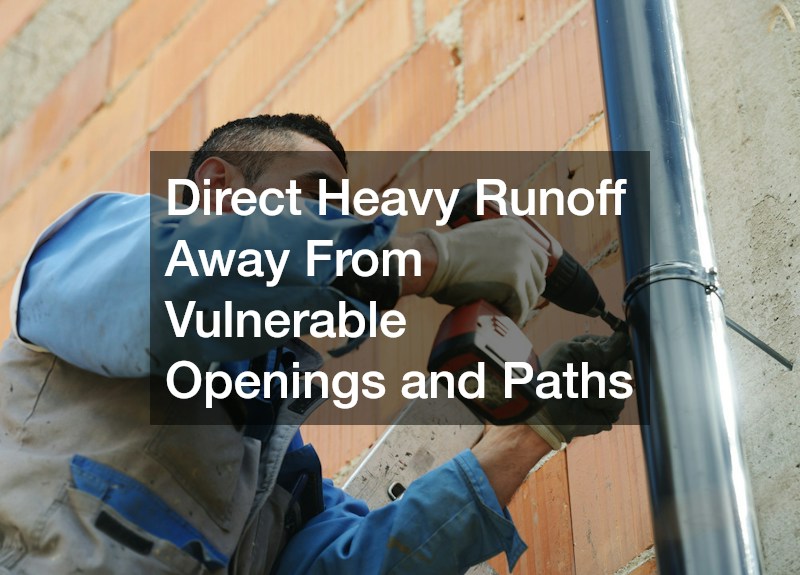
Once heavy rain hits your roof, managing where that water flows is the next crucial step in protecting your property from severe moisture damage. Concentrated streams of water cascading directly off eave edges can erode topsoil, flood basement window wells, ruin decorative landscaping, and compromise foundational grading. Your gutter network acts as a hydraulic control system, channeling thousands of gallons of water safely away from vulnerable entryways and structural foundations during a typical storm season. Begin your maintenance routine by thoroughly clearing all channels, corner elbows, and downspouts of leaves, pine needles, and accumulated sediment that block water flow. Ensure that downspout extensions discharge water at least five to six feet away from the perimeter of your home onto well-drained ground.
Inspect the physical condition and structural pitch of your gutters, checking for sagged sections, loose mounting brackets, rusted seams, and failing sealant joints. Gutters must maintain a precise slope—typically a quarter-inch drop for every ten feet of horizontal run—toward the downspouts to prevent water from standing stagnant. If water pools in the center of a gutter run, adjust the hangers and fascia spikes to restore proper gravity flow. In cases where metal channels are heavily corroded, split open by repeated freeze-thaw cycles, or pulled completely away from rotting fascia boards, spot repairs will fail during heavy downpours. Investing in a complete gutter replacement with seamless aluminum or copper channels ensures that high-volume rainstorms are handled efficiently without overflowing onto exterior walls.
In addition to perimeter drainage channels, high-traffic entry doors and ground-level walkways require specialized protection from wind-driven precipitation and heavy ice accumulation. Exposed exterior doorways are exceptionally prone to water intrusion along threshold seals, which can rot structural subflooring and ruin interior flooring materials over time. A targeted awning installation above main entrances, patio sliders, or basement stairwells provides an architectural shield that deflects falling rain, hail, and snow away from sensitive door assemblies. Beyond weather defense, protective overhead coverings reduce direct solar heat gain on exterior doors, preventing wood frames from warping and extending the lifespan of paint finishes and weather seals.
Seal Your Walls to Keep Out Moisture and Severe Cold
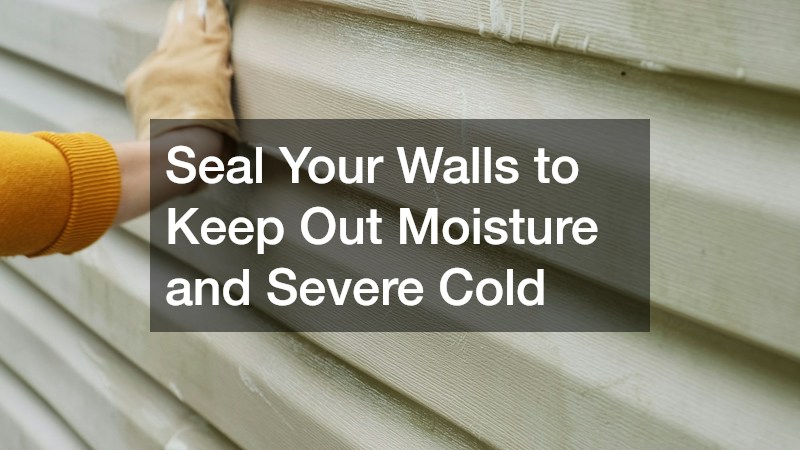
The vertical walls of your home represent the largest single surface area exposed to weather, forming a continuous defensive shell that keeps wind, rain, and freezing temperatures at bay. Over time, building materials expand and contract in response to daily temperature fluctuations, creating hairline gaps around window casings, door frames, hose bibs, and utility penetrations. Inspect all exterior joints thoroughly and apply high-grade polyurethane or silicone caulk to seal out air drafts and moisture. Replacing worn, cracked weatherstripping along moveable window sashes and exterior door jambs prevents cold air infiltration, significantly reducing winter heating costs and protecting interior wall cavities from damaging condensation buildup.
Moving beyond sealed joints, carefully examine the physical condition of your primary wall cladding across all sides of the structure. Whether your home features vinyl lap, fiber cement, engineered wood, or traditional cedar, compromised wall panels allow wind-driven rain to penetrate beneath the exterior surface layer. Inspect for cracked boards, loose panels, missing trim pieces, or warped joints where rainwater can collect and sit. When cladding exhibits widespread damage, moisture saturation, or structural decay, consulting experienced siding installers ensures that replacement panels are fitted with proper flashing integration and continuous water-resistive barriers underneath. Professional installers ensure that house-wrap seams are lapped correctly and that weep holes remain completely unblocked, allowing any trapped moisture to drain harmlessly out of the wall assembly.
Selecting the right replacement components is equally critical when fortifying your home against extreme environmental conditions. Modern manufacturing has introduced exceptionally resilient building materials engineered to resist high-impact hail damage, withstand heavy wind loads, and endure decades of freeze-thaw cycles without rotting. Upgrading to fiber cement or insulated vinyl cladding provides superior thermal resistance and fire endurance compared to traditional untreated wood options. Furthermore, choosing factory-finished products with durable UV-resistant coatings minimizes ongoing maintenance requirements, ensuring your home’s protective exterior shell remains structurally sound and visually appealing through all weather seasons.
Protect Hardscaping and Outer Masonry From Spalling and Water Erosion
Brick facades, stone accents, concrete steps, and mortar joints possess a natural, timeless aesthetic, but their porous physical composition makes them highly vulnerable to moisture degradation. Water easily penetrates microscopic pores in brickwork, mortar, and concrete structures. During winter freeze-thaw cycles, trapped water expands by approximately nine percent as it transforms into solid ice. This internal volumetric expansion exerts immense hydraulic pressure on rigid masonry, causing surface layers to fracture and pop off in a destructive process known as spalling. Over multiple seasons, untreated spalling weakens structural load-bearing walls, compromises chimney flues, and degrades decorative stone features.
Preventing severe masonry degradation requires a two-part operational strategy involving thorough physical inspection and timely structural restoration. Examine all mortar joints along exterior walls, stoops, retaining structures, and chimneys for crumbling dust, deep hairline cracks, or hollow voids where mortar has washed away. When significant deterioration is present, hiring a skilled masonry contractor is essential to restore structural integrity. Experienced craftspeople understand how to perform professional tuckpointing—carefully removing deteriorated mortar to a uniform depth and replacing it with fresh, color-matched mortar. Selecting the correct mortar strength is vital, as overly rigid modern mortar can cause softer historic bricks to crack under normal thermal expansion.
For localized structural damage on brick walls, stoops, or retaining structures, addressing individual compromised units prevents moisture from spreading into surrounding wall assemblies. Precision brick masonry repairs involve carefully cutting out cracked or spalled bricks without disturbing neighboring courses, setting new matching units into full mortar beds, and striking tight joints that shed rainwater efficiently. Once physical repairs are complete and mortar has fully cured, applying a breathable, silane-siloxane deep-penetrating sealer across all masonry surfaces creates an invisible hydrophobic barrier. This clear sealant prevents liquid water absorption while allowing internal moisture vapor to escape, effectively safeguarding your brickwork against destructive freeze-thaw cycles.
Stabilize Base Structures and Manage Ground-Level Grading

The base of your home bears the total physical weight of the entire structure and interacts directly with surrounding soil and ground moisture. Proper ground-level preparation ensures that heavy precipitation drains rapidly away from your foundation rather than pooling against basement walls or concrete footings. Inspect the slope of the soil around the entire perimeter of your home during or immediately after a heavy rainstorm. Soil naturally settles over time, creating low spots near foundation walls that collect roof runoff. The ground should slope downward away from the home at a gradient of at least six inches over the first ten feet. Adding compacted clay-rich soil to low-lying areas restores proper slope and keeps standing water away from structural concrete.
When ground water does accumulate near the base of a home, hydrostatic pressure builds up against subterranean walls, forcing moisture through porous concrete and hairline stress fractures. Over time, relentless hydrostatic pressure can cause basement walls to bow inward, concrete floors to crack, and destructive internal dampness to flourish. Addressing severe subterranean leaks, floor heaving, or wall movement requires specialized foundation repairs to reinforce load-bearing elements and install internal or external drainage systems. Technicians may install heavy-duty sump pumps, helical steel piers, or perimeter French drains to relieve hydrostatic pressure and stabilize the underlying soil before seasonal rains worsen structural shifting.
Protecting the base of your home should also be viewed as a foundational first step when planning larger, long-term property improvements. Incorporating advanced drainage controls, structural stabilization, and exterior weatherproofing into any broader home renovation strategy ensures that cosmetic upgrades are built on a rock-solid, completely dry foundation. Investing in high-end interior finishes or beautiful exterior landscaping makes little practical sense if unmitigated water intrusion threatens the underlying structural framework. By prioritizing base stabilization and proper water diversion before initiating major aesthetic upgrades, homeowners protect their financial investment and create a resilient living environment capable of enduring severe weather.
Protecting Your Home Investment Through Smart Planning
Preparing your home exterior for severe seasonal weather is not a one-time weekend chore, but an ongoing commitment to preserving your property’s safety, comfort, and long-term financial value. By systematically moving from the top of your roof down to the surrounding ground grade, you establish a complete defensive shield against heavy rain, high winds, freezing temperatures, and blistering heat. Catching small warning signs early—such as a loose flashing strip, a misaligned downspout, or a hairline fracture in mortar—prevents costly emergency interventions when severe storms arrive.
Developing a routine maintenance schedule every spring and autumn ensures that seasonal wear and tear never catches you unprepared. Documenting your seasonal inspections with photos and keeping a detailed log of past maintenance helps track the performance of your exterior building components over time. Whether you perform basic sealing and clearing tasks yourself or collaborate with licensed trade professionals for specialized structural work, proactive care pays substantial dividends. Taking these decisive steps today guarantees that your home remains a safe, secure, and energy-efficient sanctuary no matter what severe weather comes your way.

Related Posts

Signs Your Home Systems Need Attention Before Summer

How to Fix Residential Garage Doors