
How to Create a Cozy and Comfortable Home Year-Round
A comfortable home is more than a place to sleep and store belongings. It provides a welcoming environment where people can unwind, spend time with loved ones, and enjoy daily routines. Whether escaping summer heat, staying warm during winter, or relaxing in a peaceful living room, household comfort depends on several factors working together.
Creating that environment requires attention to indoor temperatures, reliable utilities, healthy air quality, and essential household systems. With thoughtful maintenance and practical improvements, homeowners can create inviting living spaces throughout the year without undertaking expensive renovations.
Maintain Comfortable Indoor Temperatures in Every Season

Indoor temperature significantly influences how comfortable a home feels. An excessively warm bedroom can interfere with sleep, while a chilly living room may discourage family members from spending time together.
Programmable and smart thermostats help homeowners maintain consistent temperatures while managing energy consumption. These devices allow temperature adjustments based on household schedules, reducing unnecessary heating and cooling when rooms are unoccupied.
Airflow also deserves attention. Furniture blocking vents can restrict conditioned air and create uneven temperatures. Homeowners should keep vents unobstructed and replace HVAC filters according to manufacturer recommendations.
Weak airflow, unusual noises, and inconsistent cooling may indicate that AC repair is necessary. Addressing these symptoms promptly can prevent minor mechanical problems from becoming more disruptive.
Working with a local hvac company can make seasonal preparation easier. Professional inspections help identify worn components, airflow restrictions, and performance concerns before extreme temperatures place additional demands on equipment.
Another way to improve temperature consistency is to evaluate how sunlight enters different rooms. South- and west-facing windows may allow substantial heat gain during warmer months, making nearby spaces uncomfortable even when cooling equipment operates properly. Thermal curtains, cellular shades, and properly installed window coverings can help regulate indoor temperatures.
During colder weather, opening curtains on sunny windows during the day may provide useful natural warmth. Closing them after sunset can help reduce heat loss through glass.
Homeowners should also pay attention to rooms that consistently feel warmer or cooler than the rest of the house. These differences may indicate insulation gaps, air leaks, or airflow imbalances that deserve further investigation.
Prevent Water Problems Before They Disrupt Daily Comfort
Reliable plumbing contributes to household comfort in ways that often go unnoticed until something stops working. A leaking faucet, slow-draining sink, or inconsistent shower temperature can quickly disrupt an ordinary morning.
Preventing these inconveniences begins with regular inspections. Homeowners should check visible pipes beneath sinks, around toilets, and near appliances for moisture, corrosion, or unexplained water stains.
Sudden changes in water pressure also deserve attention. These fluctuations may result from mineral buildup, faulty fixtures, or problems elsewhere in the plumbing system.
Timely plumbing repairs can help prevent water damage, reduce unnecessary water consumption, and restore dependable operation. Addressing small leaks early may also protect cabinets, flooring, and surrounding materials.
Hot water availability is another important consideration, particularly in households where several people shower, wash dishes, and complete laundry within a short period.
A tankless water heater installation service can help homeowners determine whether an on-demand system meets their needs. Tankless units heat water as it flows through the equipment, although performance depends on proper sizing and simultaneous household demand.
Knowing where the home’s main water shutoff valve is located can prevent a stressful situation from becoming a major emergency. Every household member who can safely operate the valve should understand its location and purpose.
Homeowners can also monitor monthly water bills for unexplained increases. A noticeable change in consumption without corresponding changes in household activities may indicate a hidden leak.
In colder climates, protecting vulnerable pipes from freezing is another important consideration. Insulating exposed pipes and maintaining adequate indoor temperatures can reduce the risk of freezing and subsequent water damage.
Keep Everyday Household Tasks Running Smoothly

Imagine preparing dinner when the refrigerator stops cooling or discovering that the washing machine has leaked across the laundry room floor. These situations create unnecessary stress because essential appliances support everyday household activities.
Keeping equipment dependable often involves simple maintenance habits.
Refrigerators benefit from properly sealed doors and unobstructed ventilation. Washing machines perform best with balanced loads, while dryers require regular lint filter cleaning. Dishwashers should be checked for debris around accessible filters.
Homeowners can incorporate several practices into their routines:
-
Inspect appliance hoses and connections for moisture or wear.
-
Clean accessible filters according to manufacturer instructions.
-
Avoid overloading laundry equipment.
-
Investigate unusual noises, vibrations, or performance changes.
-
Keep appliance manuals and warranty information organized.
Some problems require professional attention. An appliance repair service can diagnose malfunctioning equipment and help determine whether repairs or replacement would be more practical.
Consistent maintenance supports reliable performance and helps prevent unexpected interruptions during busy household routines.
Protect Your Home From Seasonal Weather Damage
A cozy interior is difficult to maintain when rainwater enters the attic or cold air slips through damaged building materials. The home’s exterior provides an essential barrier against changing weather conditions.
Roofing materials experience continuous exposure to sunlight, wind, precipitation, and temperature fluctuations. Over time, this exposure can damage flashing, loosen shingles, and create openings that allow moisture to enter.
Homeowners should watch for warning signs such as ceiling stains, damp attic insulation, peeling paint, and unexplained musty odors.
Exterior observations may reveal missing shingles, damaged gutters, or accumulated debris. However, homeowners should avoid climbing onto roofs without appropriate training and safety equipment.
Experienced roofers can assess potential damage and recommend repairs based on the roofing system’s age, materials, and overall condition.
Gutters and downspouts also require attention. When clogged, they may overflow and contribute to moisture problems around exterior walls and foundations.
Regular inspections and preventive maintenance help protect insulation, furnishings, and indoor temperature stability throughout changing seasons.
Prepare for Power Interruptions and Electrical Hazards
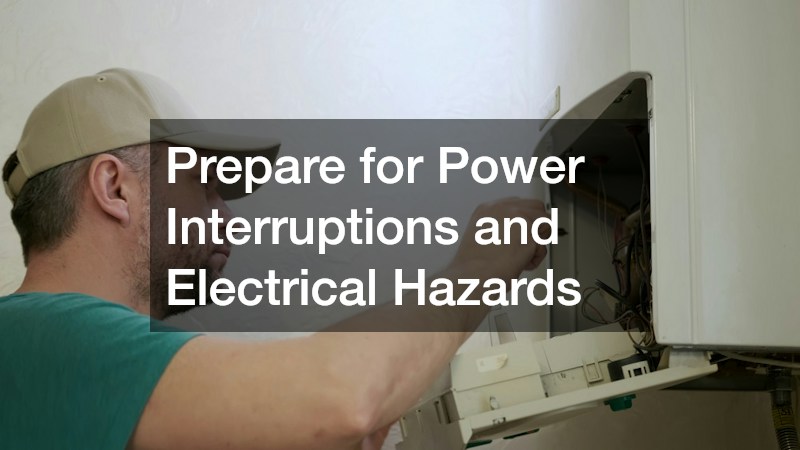
A sudden power outage can disrupt household comfort within minutes. Lights stop working, refrigerated food becomes vulnerable to spoilage, and indoor temperatures may become uncomfortable during extreme weather.
Preparation begins with identifying essential equipment. Refrigeration, communication devices, lighting, medical equipment, and temperature control may deserve priority depending on household needs.
Back up generators can provide temporary electricity when utility service becomes unavailable. Portable models may support selected appliances, while permanently installed standby systems can supply designated circuits or larger portions of a home’s electrical needs.
Choosing appropriate equipment requires evaluating electrical demand, fuel availability, and operating requirements.
An electrical contractor can assess household electrical capacity and determine which connections and transfer equipment are necessary for safe operation.
Homeowners should also investigate frequently tripped breakers, flickering lights, warm outlets, and damaged wiring. These symptoms may indicate electrical problems requiring professional evaluation.
Generators must operate according to safety guidelines. Portable units should remain outdoors, away from windows, doors, and vents, because exhaust contains dangerous carbon monoxide.
Keeping flashlights, charged power banks, and emergency supplies accessible provides additional reassurance during unexpected outages.
Create a Warm and Inviting Living Space
Comfort depends on more than mechanical systems. Lighting, furniture arrangement, and decorative materials influence how welcoming a room feels.
Consider the difference between a living room illuminated by one bright ceiling fixture and another with soft lamps positioned near comfortable seating. Although the furnishings may be identical, layered lighting often creates a more relaxing atmosphere.
Area rugs, upholstered furniture, curtains, and blankets introduce warmth without requiring major renovations. Lightweight fabrics can refresh rooms during summer, while heavier throws add comfort during colder months.
Furniture placement also matters. Seating arranged to encourage conversation makes shared spaces more inviting, while clear walkways maintain functionality.
For households with fireplaces, gathering around a fire can create a particularly cozy atmosphere. However, safe operation requires appropriate ventilation and maintenance.
Regular chimney cleaning helps remove soot and combustible creosote deposits from wood-burning systems. Professional inspections can also identify obstructions, damaged components, and ventilation concerns.
Homeowners should keep combustible furnishings and decorations away from fireplaces and use appropriate protective barriers.
Personal touches can make a home feel more welcoming without requiring substantial spending. Family photographs, meaningful artwork, favorite books, and decorative objects collected over time give living spaces character.
Sound also influences relaxation. Thick curtains, upholstered furniture, and area rugs can help absorb some everyday noise, particularly in rooms with hard flooring.
Creating a designated relaxation area can further improve the household atmosphere. A comfortable chair near a window, paired with appropriate lighting and a small bookshelf, offers a quiet retreat for reading or unwinding after a busy day.
Design Outdoor Areas for Relaxation and Seasonal Enjoyment

Comfortable living does not have to end at the back door. A thoughtfully arranged patio, deck, or backyard can provide additional space for relaxation and family activities.
Start by considering how the outdoor area will be used. Someone who enjoys reading outside may appreciate a shaded chair and side table, while a household that frequently hosts meals may prioritize outdoor dining furniture.
Weather protection makes these spaces more practical. Umbrellas, pergolas, and shade structures reduce direct sunlight, while weather-resistant furniture helps minimize maintenance.
Landscaping can improve privacy and create attractive surroundings. Trees, shrubs, and flowering plants also soften the appearance of outdoor structures.
For properties with swimming pools, regular maintenance supports safe and enjoyable use. A local pool company can assist with water testing, filtration, cleaning, and equipment concerns.
Homeowners should also maintain appropriate pool barriers and safety measures.
Outdoor lighting extends the usability of patios and walkways after sunset. Pathway fixtures improve visibility, while softer lighting near seating areas creates a welcoming atmosphere.
Even a modest porch with comfortable seating and a few plants can become a favorite place to unwind.
Improve Air Quality and Reduce Indoor Discomfort
A home can have comfortable temperatures and attractive furnishings yet still feel unpleasant when indoor air is stale, dusty, or excessively humid.
Air quality is influenced by ventilation, cleaning habits, moisture levels, and household activities. Cooking, bathing, and cleaning can introduce particles or excess humidity into living spaces.
Controlling moisture is particularly important. Excessive humidity encourages mold growth and can make rooms feel warmer. Very dry air may also contribute to discomfort.
The Environmental Protection Agency generally recommends maintaining indoor relative humidity below 60%, ideally between 30% and 50%.
Bathroom and kitchen exhaust fans help remove moisture and odors. Homeowners should also address leaks promptly rather than masking musty smells with fragrances.
Regular vacuuming, washing bedding, and wiping frequently used surfaces can reduce accumulated dust.
Opening windows may provide additional ventilation when outdoor weather and air quality permit.
Improving indoor air quality often requires several consistent habits rather than expensive equipment.
Build Simple Seasonal Maintenance Habits
One of the most effective ways to preserve household comfort is to make maintenance predictable.
Without a routine, small responsibilities are easily forgotten. A minor draft may remain unnoticed until winter, while a clogged drainage area might only become apparent during heavy rainfall.
A seasonal schedule helps distribute maintenance responsibilities throughout the year.
Spring is an opportunity to inspect exterior drainage, clean accessible window tracks, and check for weather-related damage. Summer maintenance may focus on managing sunlight, controlling humidity, and inspecting outdoor equipment.
During fall, homeowners can examine weatherstripping, clear leaves from drainage areas, and prepare heating equipment. Winter priorities may include monitoring exposed pipes, checking for drafts, and maintaining emergency supplies.
Keeping maintenance records makes these routines easier to manage. Recording inspection dates, completed repairs, and warranty details helps homeowners identify recurring concerns.
A dedicated maintenance budget can also reduce the financial stress associated with unexpected problems.
Homeowners may find it helpful to schedule brief monthly walkthroughs rather than relying entirely on major seasonal inspections. During these checks, they can look for moisture around fixtures, examine accessible seals, and note changes in household equipment.
Photographing developing concerns and recording when they first appeared can make future professional evaluations more productive. This approach also helps homeowners distinguish recurring problems from isolated incidents.
Over time, these small habits can make home maintenance feel less reactive and more manageable.
Enjoy a More Comfortable Home Every Day
Creating a cozy home involves balancing practical maintenance with thoughtful improvements that make everyday living more enjoyable. Reliable household systems, healthy indoor conditions, inviting furnishings, and well-maintained outdoor spaces all contribute to a relaxing environment.
Homeowners do not need to complete every improvement immediately. Beginning with pressing concerns and gradually developing preventive habits can produce meaningful results.
With consistent care and sensible planning, any home can become a more dependable, welcoming, and comfortable place throughout the changing seasons.