
What to Expect From Professional Drain Cleaning Services
Clogged drains can cause frustrating plumbing problems, from slow-draining sinks to unpleasant odors and standing water. While store-bought drain cleaners and household remedies may provide temporary relief, some blockages require professional attention. Professional drain cleaning services help remove stubborn buildup, restore proper water flow, and identify potential issues before they become more serious. Understanding what happens during a professional appointment can help homeowners prepare for the process and know when it is time to call a plumber.
Identifying the Source of the Clog
The first step in professional drain cleaning is identifying the source and severity of the blockage. A plumber will typically ask about the symptoms you have noticed, such as slow drainage, gurgling sounds, recurring clogs, or unpleasant smells. These details can help narrow down the possible causes and determine which areas of the plumbing system need attention.
The plumber may inspect the affected drain, test how quickly water flows, and check nearby fixtures for similar problems. If multiple drains are backing up at once, the issue could involve a larger branch drain or the main sewer line rather than an individual fixture. Identifying the underlying cause helps the plumber choose an appropriate cleaning method instead of simply treating the symptoms.
Choosing the Right Drain Cleaning Method
Not every clog requires the same solution. Professional plumbers use different tools and techniques depending on the location of the blockage, the type of debris involved, and the condition of the pipes. During the appointment, your plumber can explain which method is appropriate for your situation.
For minor or localized clogs, a drain snake may be sufficient. This flexible tool moves through the pipe to break apart obstructions or retrieve materials that prevent water from flowing freely. It is commonly used to address hair, soap residue, and other debris that accumulates in bathroom drains.
For more stubborn blockages, hydro jetting may be an option. This method uses specialized equipment to direct high-pressure water through the plumbing system, removing grease, sludge, and other buildup from the interior pipe walls. Because the process involves significant water pressure, a plumber should assess the pipe’s condition before recommending it. Older, damaged, or fragile pipes may require a different approach.
Removing Buildup and Restoring Water Flow
Once the appropriate method has been selected, the plumber will begin clearing the blockage. Depending on the severity of the clog, this may involve breaking apart compacted debris, extracting foreign objects, or flushing accumulated residue from the pipes.
Professional drain cleaning services address more than the material immediately blocking the drain. Grease, soap scum, mineral deposits, and other substances can gradually accumulate along pipe walls, restricting water flow over time. Removing this buildup can help improve drainage and reduce the likelihood of certain recurring clogs.
The time required for the cleaning process depends on the location and complexity of the problem. A simple sink clog may take relatively little time to resolve, while a blockage deep within the plumbing system may require additional equipment and investigation.
Inspecting the Pipes for Potential Problems
A recurring clog may indicate an underlying plumbing issue. Tree root intrusion, pipe damage, misaligned connections, and heavy mineral buildup can interfere with drainage even after a blockage has been removed. For this reason, a professional may recommend additional inspection if the same problem continues to return.
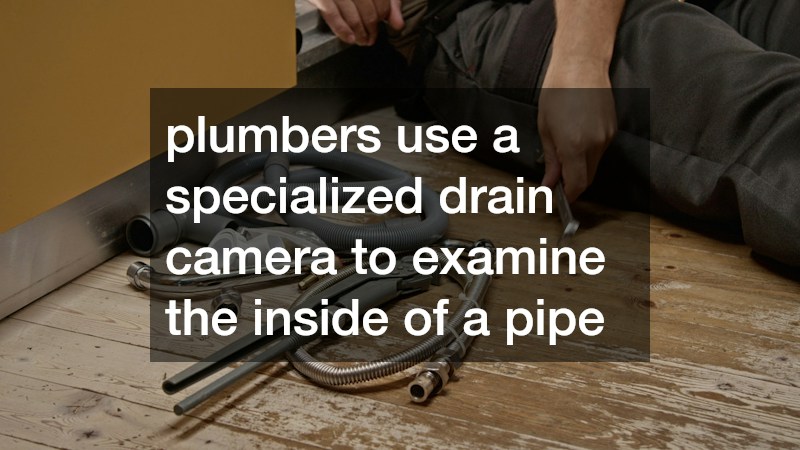
In some cases, plumbers use a specialized drain camera to examine the inside of a pipe. This equipment can help locate obstructions, identify damaged sections, and determine whether repairs are necessary. A camera inspection may not be needed for every routine cleaning, but it can provide useful information when the cause of a problem is unclear.
Addressing these concerns early can help homeowners make informed decisions about maintenance and repairs. Cleaning alone may not resolve an issue caused by structural damage, so identifying the difference is an important part of maintaining a reliable plumbing system.
Receiving Maintenance Recommendations
After completing the cleaning, the plumber will typically check the affected drain to confirm that water is flowing properly. They may also explain what caused the blockage and recommend steps to help prevent similar problems.
Simple habits can make a difference in keeping drains clear. Avoid pouring cooking grease down kitchen sinks, use drain screens to catch hair and food particles, and dispose of waste in the trash rather than flushing it. Toilets should only be used for human waste and toilet paper unless the plumbing system’s manufacturer specifies otherwise.
Your plumber may also suggest periodic maintenance if your property experiences frequent clogs or has older plumbing. The appropriate schedule depends on the condition of the pipes, household usage, and previous drainage problems.
Knowing When to Schedule Professional Drain Cleaning
Slow drainage, recurring blockages, unpleasant odors, and gurgling sounds can all indicate that a drain needs attention. Addressing these warning signs early may prevent more disruptive plumbing problems. If wastewater backs up into multiple fixtures, or sewage odors accompany drainage issues, contact a plumber promptly.
Professional drain cleaning offers a practical way to remove stubborn clogs, improve drainage, and identify concerns that may require further attention. By understanding the cleaning process and following recommended maintenance practices, homeowners can take proactive steps toward protecting their plumbing systems and keeping everyday routines running smoothly.

Related Posts

How to Prep Your Home Exterior for Harsh Seasonal Weather

Signs Your Home Systems Need Attention Before Summer
