Signs Your Home Systems Need Attention Before Summer
Most homeowners do not think much about their home systems until something stops working. Unfortunately, summer has a way of exposing problems quickly. A weak cooling system suddenly struggles during a heat wave. An unnoticed plumbing leak becomes obvious when water usage increases. Older windows allow cool air to escape, forcing equipment to work overtime.
The transition into warmer weather is one of the best times to pay attention to small warning signs. A strange noise, uneven airflow, or higher utility bill may seem minor in spring, but those issues can become expensive emergencies once temperatures climb.
Seasonal preparation is not only about comfort. It is also about efficiency, safety, and protecting the long-term condition of your home. By catching issues early, homeowners can often avoid larger repairs, reduce energy waste, and extend the lifespan of important systems throughout the property.
Watching for Uneven Cooling Throughout the House
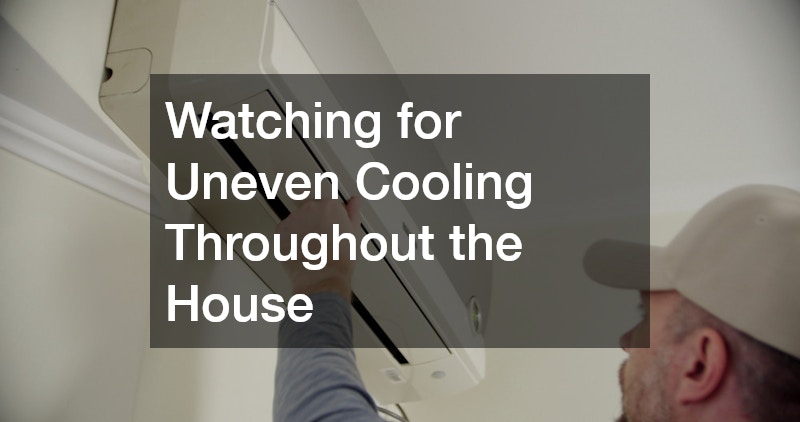
One of the earliest signs that something needs attention is inconsistent temperature from room to room. Many homeowners notice it gradually. A bedroom upstairs feels stuffy in the afternoon while the downstairs remains comfortable. One area of the home cools quickly, while another never seems to reach the thermostat setting.
Problems like these often point to airflow issues within the HVAC system. Dirty filters, blocked vents, damaged ductwork, or aging equipment can all reduce performance before summer even begins.
In some homes, the issue is surprisingly simple. Furniture placed over vents, clogged return grilles, or neglected air filters can restrict circulation enough to create uneven cooling. In other cases, airflow problems develop because duct connections loosen over time or insulation deteriorates in attic spaces.
There are also moments when homeowners become accustomed to the problem without realizing how severe it has become. A family may keep portable fans running constantly in one room while avoiding another room entirely during hot afternoons. Those habits are often clues that the cooling system is compensating for a larger issue.
Several warning signs deserve attention before the hottest months arrive:
- Rooms that never seem to cool properly
- Weak airflow from vents
- Constant thermostat adjustments
- Longer cooling cycles than usual
- Dust buildup around vents
Ignoring these symptoms can place additional strain on equipment, increasing wear and raising monthly utility costs.
Sometimes, unusual sounds provide the clearest indication of trouble. Rattling, buzzing, or banging noises should never be dismissed as normal aging. Mechanical components loosen over time, motors wear down, and debris may collect around outdoor units after winter storms.
Scheduling a seasonal inspection before summer demand peaks can help homeowners identify whether the problem involves simple maintenance or a larger repair need. Even relatively small adjustments can dramatically improve comfort and efficiency when temperatures rise.
Recognizing When Cooling Performance Starts Declining
Many cooling problems appear slowly enough that homeowners overlook them at first. The air still runs, the thermostat still works, and the house eventually cools down. However, subtle performance changes often signal that the system is heading toward failure.
Warm air coming from vents is one of the clearest warning signs that AC repair may be necessary. Sometimes the issue stems from low refrigerant levels or dirty coils. In other cases, electrical components or compressors begin failing after years of heavy use.
A homeowner might first notice the issue during a particularly warm afternoon. The thermostat is lowered repeatedly, but the indoor temperature barely changes. The system seems to run constantly without making the house more comfortable.
Other symptoms can include:
- Moisture around the indoor unit
- Ice forming on refrigerant lines
- Musty or burning odors
- Sudden spikes in electricity usage
- Frequent cycling on and off
When repairs become increasingly common, homeowners often face another important question: whether investing in additional fixes still makes financial sense.
An older unit that constantly struggles through summer may eventually require AC replacement instead of repeated repairs. Age alone does not determine the answer, but systems over 10 to 15 years old frequently lose efficiency and reliability. Even if repairs temporarily restore operation, energy costs may continue climbing.
The decision becomes especially important before peak summer temperatures arrive. Waiting until the middle of a heat wave often limits scheduling availability and increases emergency service costs.
Homeowners sometimes hesitate because the equipment still technically works. Yet declining performance usually means the system is operating under stress. Replacing aging equipment proactively can improve indoor comfort, reduce energy consumption, and prevent sudden breakdowns during the hottest days of the year.
Paying Attention to Water Heater Warning Signs
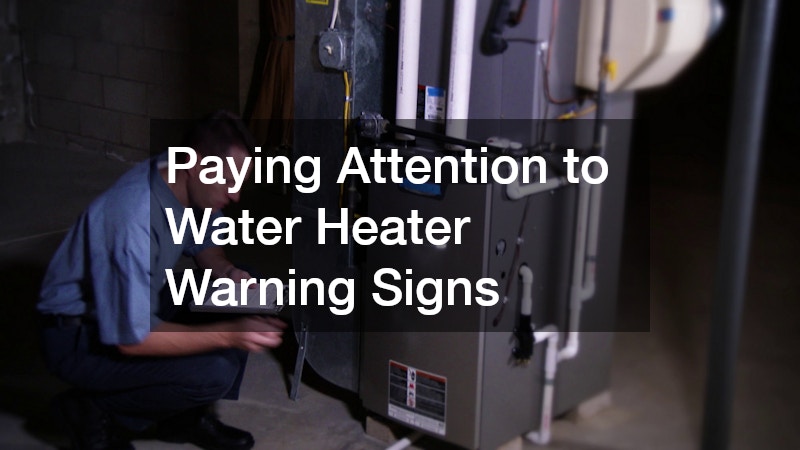
Many homeowners focus heavily on cooling systems before summer while overlooking another major appliance that quietly works year-round. A failing hot water heater can create significant inconvenience and property damage if early signs go unnoticed.
Water temperature inconsistency is often the first symptom. Showers may alternate between hot and lukewarm unexpectedly. Hot water may run out faster than normal, especially when multiple appliances are in use.
Sediment buildup inside the tank becomes increasingly common as systems age. Minerals settle at the bottom over time, reducing efficiency and forcing the heater to work harder. This often creates popping or rumbling noises that many homeowners assume are harmless.
Rust-colored water is another serious warning sign. Corrosion inside the tank or connected pipes may eventually lead to leaks or complete failure. Metallic odors can also indicate internal deterioration that requires professional evaluation.
Small leaks deserve immediate attention, even when they seem minor. Moisture around the base of the unit can gradually damage flooring, drywall, and nearby belongings. In humid climates, persistent moisture may also encourage mold growth.
Before summer arrives, homeowners should inspect the area around the tank carefully. Look for:
- Water stains
- Damp flooring
- Corrosion around fittings
- Dripping valves
- Rust accumulation near the base
Aging equipment does not always fail dramatically at first. Sometimes the warning signs appear gradually over several months. Addressing those issues early can help prevent the stress of suddenly losing hot water during periods of heavy household usage.
Addressing Plumbing Problems Before They Escalate
Summer often places additional demand on household plumbing systems. Guests visit more frequently, irrigation systems run longer, children spend more time at home, and water usage naturally increases. Small issues that remained manageable during cooler months may suddenly become disruptive.
A slow drain is one example. Many homeowners tolerate sluggish sinks or tubs for months without concern. However, recurring drainage problems can indicate deeper blockages within the plumbing system.
Sometimes the issue develops from grease buildup, hair accumulation, or debris trapped near fixtures. In other situations, more serious sewer line concerns may exist beneath the property.
An experienced plumber can often identify whether the issue is isolated or part of a larger system problem before significant backups occur.
Outdoor plumbing deserves equal attention before temperatures climb. Hose bibs and irrigation lines frequently sustain unnoticed winter damage. Small cracks caused by freezing temperatures may remain hidden until summer watering begins.
A homeowner may not realize there is a problem until unusually high water bills arrive. By then, underground leaks may have already wasted substantial amounts of water.
Low water pressure throughout the home can also signal developing trouble. Mineral buildup, hidden leaks, or pipe deterioration may all contribute to pressure changes. When multiple fixtures experience reduced flow simultaneously, the issue usually extends beyond a single faucet.
Rather than waiting for a plumbing emergency, spring is an ideal time to inspect vulnerable areas around the home, including:
- Outdoor faucets
- Basement piping
- Utility room connections
- Under-sink supply lines
- Irrigation systems
Catching leaks early not only prevents water damage but can also reduce unnecessary strain on the rest of the plumbing network.
Noticing Electrical Issues During Seasonal Transitions
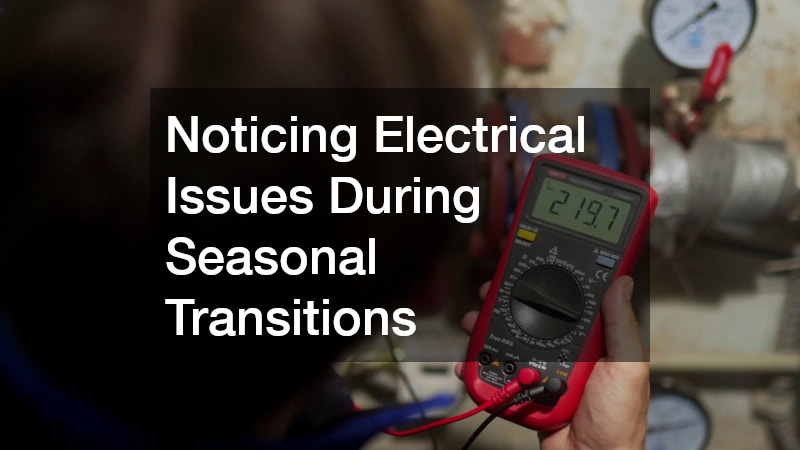
Electrical problems often become more noticeable once temperatures rise and energy usage increases. Air conditioning systems, fans, appliances, and electronics place additional demand on household circuits throughout summer.
Sometimes homeowners first notice the issue when lights flicker briefly as appliances turn on. While occasional dimming may seem harmless, repeated fluctuations can indicate overloaded circuits or wiring concerns.
An electrician can determine whether the issue stems from aging infrastructure, improper connections, or insufficient electrical capacity for modern household demands.
Hot outlets should never be ignored. If a switch plate or outlet feels warm to the touch, the circuit may already be overheating. Buzzing sounds, sparks, or burning smells require immediate attention because they may indicate dangerous wiring conditions.
In older homes, especially, increased summer electrical demand can expose weaknesses that remained unnoticed during cooler months.
Preparation often involves more than simply fixing obvious problems. Homeowners should also think about how seasonal habits affect electrical usage. Running multiple portable cooling devices, charging electronics constantly, and operating outdoor equipment all contribute to heavier electrical loads.
Several preventative measures can improve safety before summer arrives:
- Testing smoke detectors
- Replacing damaged extension cords
- Avoiding overloaded power strips
- Inspecting outdoor electrical connections
- Scheduling panel inspections if breakers trip frequently
Electrical issues rarely improve on their own. Small warning signs often become more severe under increased summer demand, making early attention especially important.
Evaluating Windows That Allow Heat Inside
Windows play a larger role in summer comfort than many homeowners realize. Even efficient cooling systems struggle when conditioned air escapes continuously through aging or damaged windows.
Drafts are often easiest to notice during winter, but summer heat can reveal similar problems. Standing near older windows during the afternoon may expose warm air infiltration that forces cooling equipment to work harder throughout the day.
Condensation between panes is another common issue. Moisture trapped inside insulated glass usually indicates seal failure, reducing efficiency and visibility at the same time.
Some homeowners notice fading furniture, warmer rooms near windows, or persistent hot spots throughout the house. These conditions often suggest inadequate insulation or deteriorating window materials.
At a certain point, window replacement may become more cost-effective than repeated repairs or temporary sealing solutions.
Homeowners can perform several simple inspections themselves:
Checking for Air Leaks
Run a hand slowly around window frames during hot afternoons. Noticeable airflow may indicate deteriorated seals or warped framing.
Inspecting Caulk and Weather Stripping
Cracked caulk and compressed weather stripping allow air infiltration that increases cooling costs over time.
Looking for Moisture Damage
Soft wood, peeling paint, or water stains near windows may signal hidden moisture intrusion.
Newer windows often improve indoor comfort immediately by reducing temperature fluctuations and limiting solar heat gain. They may also reduce strain on cooling equipment, helping the rest of the home operate more efficiently during summer.
Inspecting Fireplaces and Chimneys Before Humidity Rises

Many homeowners stop thinking about their fireplaces as soon as winter ends. However, warmer weather can actually create new problems inside neglected chimney systems.
Moisture becomes one of the biggest concerns during humid months. Rain, condensation, and trapped humidity gradually damage masonry materials when chimneys are not properly protected.
Without regular fireplace maintenance, cracks may widen, chimney liners can deteriorate, and moisture intrusion may spread into surrounding walls or ceilings.
Animals also become more active during spring and summer. Birds, squirrels, and other pests frequently enter uncapped chimneys to build nests. These blockages restrict airflow and sometimes create fire hazards later in the year.
Certain warning signs deserve prompt attention:
- Musty odors near the fireplace
- Visible cracks in masonry
- Debris falling into the firebox
- White staining on exterior brick
- Rust on dampers or metal components
Homeowners often assume chimney care only matters before winter. In reality, spring and summer inspections provide an opportunity to address damage before storms and humidity worsen existing problems.
A professional inspection may identify hidden deterioration that would otherwise remain unnoticed until colder weather returns. Addressing those repairs early can help preserve structural integrity while improving long-term safety.
Scheduling Service Before Cold Weather Returns
Although summer preparation focuses heavily on cooling systems, heating equipment should not be ignored once winter ends. Spring is actually one of the best times to evaluate heating performance because contractors are often less overwhelmed than during peak winter emergencies.
A qualified heating contractor can inspect components that endured months of heavy operation and identify wear before the next heating season begins.
Homeowners sometimes notice lingering odors after shutting down their heating systems for the year. Burning smells, unusual noises, or reduced airflow may indicate worn belts, dirty burners, or failing motors.
Ignoring these symptoms until fall often leads to rushed repairs once temperatures drop again.
Spring inspections also create an opportunity to improve overall system efficiency. Dirty filters, clogged vents, and neglected maintenance force heating systems to work harder than necessary year after year.
One homeowner may discover that a furnace has quietly developed airflow restrictions over several winters. Another may learn that simple cleaning and calibration significantly improve performance and reduce future repair risks.
Regular maintenance often extends equipment lifespan while helping homeowners avoid expensive emergency breakdowns during extreme weather.
Handling Simple Maintenance Tasks Around the House
Not every seasonal issue requires professional repair immediately. Some preventative maintenance tasks are relatively simple for homeowners willing to spend a few hours preparing their homes before summer.
A visit to the local hardware store can provide many of the supplies needed for routine inspections and minor maintenance projects.
Air filters are one of the easiest and most overlooked items to replace regularly. Dirty filters restrict airflow, increase energy consumption, and reduce indoor air quality. Replacing them before summer cooling demand rises can improve system performance quickly.
Other useful supplies may include:
- Weather stripping
- Caulk
- Drain cleaning tools
- Replacement batteries
- Garden hose nozzles
- Exterior sealants
Cleaning outdoor equipment also matters more than many people realize. Leaves, dirt, and debris commonly collect around cooling units during winter and spring. Clearing vegetation and gently cleaning exterior components can improve airflow substantially.
However, homeowners should recognize the limits of DIY maintenance. Temporary fixes sometimes hide larger problems that continue worsening behind the scenes.
For example, repeatedly resetting a tripped breaker does not solve an overloaded circuit. Patching a recurring leak without investigating the source may allow hidden water damage to spread.
The goal of seasonal preparation is not to become an expert in every home system. It is important to notice warning signs early enough to prevent avoidable emergencies later.
Creating a More Comfortable and Reliable Home for Summer
Preparing a home for summer involves much more than adjusting the thermostat or cleaning outdoor spaces. Every major system throughout the house works together to create comfort, efficiency, and safety during the hottest months of the year.
Small warning signs often appear long before major failures occur. Uneven temperatures, unusual noises, slow drains, flickering lights, and rising energy bills all provide valuable clues that something may need attention.
Homeowners who act early often avoid the stress and expense of emergency repairs during peak summer heat. More importantly, preventative maintenance helps create a home that feels consistently comfortable and dependable throughout the season.
A thoughtful seasonal inspection does not require perfection. It simply requires paying attention before small issues become disruptive problems.